Manténgase sano!
- Posted March 13, 2026
Study Finds 'Forever Chemicals' on California Fruits and Vegetables
Some fruits and vegetables grown in California may carry traces of pesticides known as PFAS, sometimes called “forever chemicals,” according to a new analysis.
Researchers with the Environmental Working Group (EWG) reviewed state testing data and found PFAS pesticide residues in 348 of 930 produce samples -- 37% of those tested.
The samples covered 78 types of conventionally grown fruits and vegetables, and 40 of those crops (51%) showed traces of PFAS pesticides, the analysis found.
Certain fruits showed especially high levels.
More than 90% of nectarines, plums and peaches tested contained a PFAS pesticide called fludioxonil, a fungicide used to prevent mold during storage and shipping.
Other fruits also showed frequent contamination: Cherries, strawberries and grapes had PFAS pesticides in 80% or more of samples. Strawberries contained 10 different PFAS pesticides, the highest variety among the crops tested.
Strawberries and grapes are also among California’s most valuable crops, with farm sales totaling $3 billion and $6.5 billion in 2023, respectively.
PFAS chemicals are widely used in products such as nonstick cookware, electronics and pesticides. They are also known for staying in the environment for long periods of time.
"PFAS are known to persist in the environment, and some pose serious health risks to people, including links to immune, reproductive and developmental harm," the analysis stated.
The findings also highlight gaps in pesticide oversight. In the United States, nearly 70 pesticides that meet the definition of PFAS are registered with the Environmental Protection Agency, accounting for about 14% of all pesticide ingredients.
Between 2018 and 2023, 52 PFAS pesticides were used in California, according to state pesticide use records.
Researchers say about 2.5 million pounds of PFAS pesticides are applied on California farmland each year.
Despite the findings, experts stress that fruits and vegetables are an important part of a healthy diet.
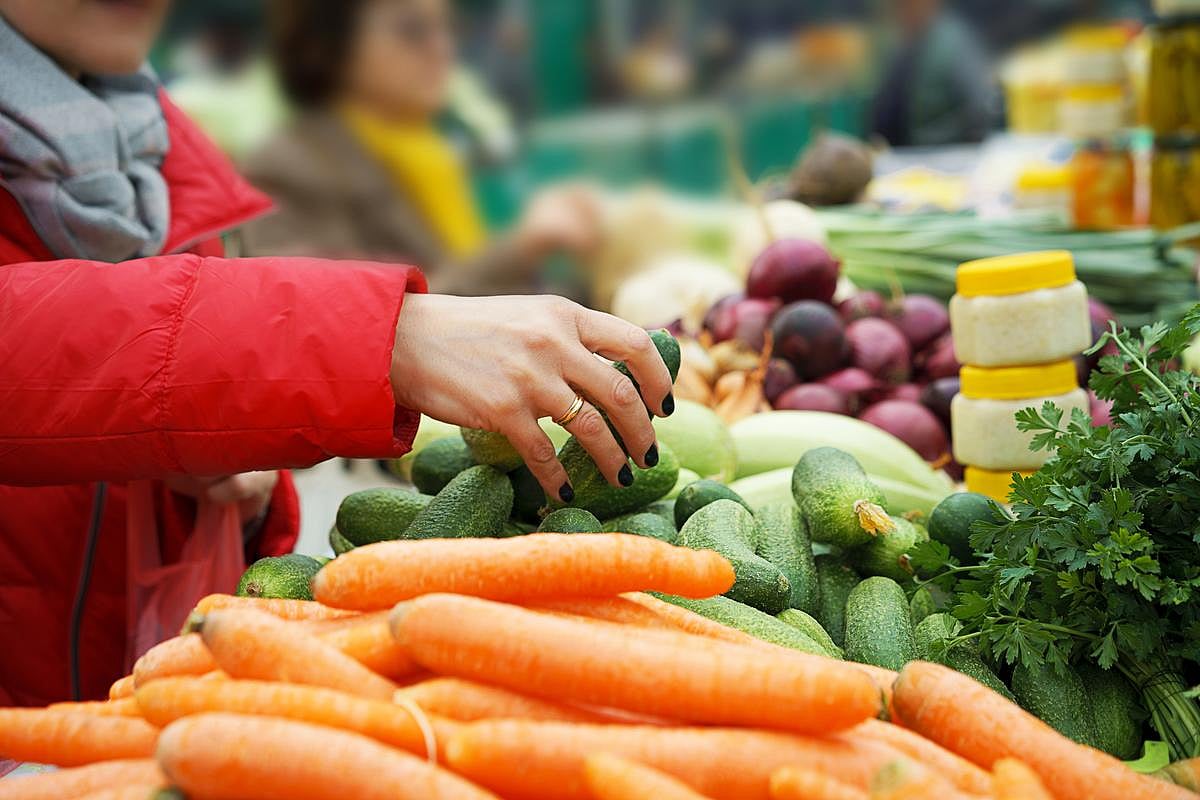
Washing produce thoroughly, checking resources like EWG’s "Shopper’s Guide to Pesticides in Produce" and choosing organic produce, which does not allow PFAS pesticides, may help reduce exposure.
Some produce had no detectable PFAS pesticides, including sweet potatoes, cauliflower, tomatoes, watermelon, mushrooms, sweet corn and avocados.
More information
The U.S. Environmental Protection Agency has more on PFAS.
SOURCE: Environmental Working Group, news release, March 11, 2026
